Probate Delay Attorney San Diego County
Introduction to Probate
Probate is the legal process by which a deceased person's estate is settled and their assets are distributed according to their will or, if there is no will, in accordance with California law. When the probate process begins, it starts with the filing of a petition in the probate court, which establishes the court's authority over the decedent's estate. This legal process ensures that the deceased person's debts are paid, taxes are settled, and remaining assets are distributed to rightful heirs or beneficiaries.
Navigating the probate process can be complex, as it involves strict legal requirements and deadlines. A skilled probate attorney can provide invaluable guidance, helping executors and family members understand their responsibilities and avoid common pitfalls. From the moment the probate process begins, having an experienced probate lawyer by your side can make a significant difference in ensuring the estate is administered efficiently and in compliance with California's legal standards.
Probate Delays in San Diego County – How Andrew Gilliland Can Help
Losing a loved one is never easy, and discovering that the probate process will take 12 to 24 months—or longer—only adds to the stress. In San Diego County, probate delays are common. Court backlogs, procedural missteps, and family disputes can extend what should be a straightforward estate administration into a frustrating, expensive ordeal. If you are an executor, administrator, or beneficiary dealing with a stalled California probate, you are not alone, and there are concrete steps you can take to get your case moving again.
This page focuses on helping individuals resolve and prevent probate delays in San Diego County and throughout California. Reputable law firms in San Diego County, staffed by experienced probate lawyers and San Diego probate attorneys, specialize in managing complex probate cases and providing comprehensive probate services to probate clients. Attorney Andrew Gilliland, based in Carlsbad, concentrates his practice on probate, estate planning, and mediation. He regularly appears in San Diego, Orange, and Riverside County probate courts and understands the local rules and procedures that can make or break your case timeline. Experienced local attorneys are adept at managing court backlogs and deadlines efficiently in San Diego.
If your probate case is taking longer than expected, call Gilliland Law at 760-237-0323 or message us online for a confidential probate delay consultation.
Here is what you will learn on this page:
Common causes of probate delays specific to San Diego County
How a focused probate delay attorney can identify and correct problems
The typical California probate timeline and where delays occur
Practical strategies to avoid or minimize future delays
Why Gilliland Law is well-positioned to help with your probate matters
How the firm serves clients throughout San Diego County and beyond
Common Causes of Probate Delay in San Diego County
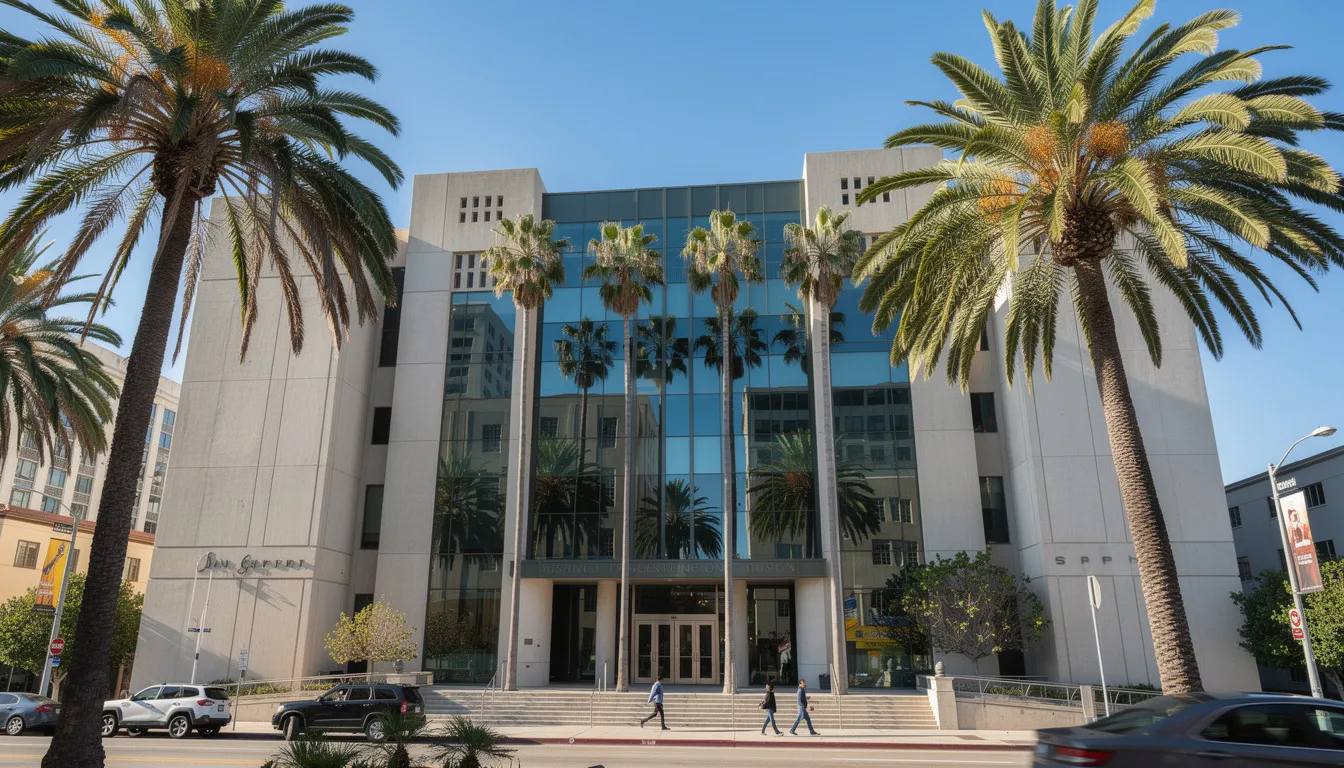
The San Diego County Superior Court – Probate Division operates under specific local rules, filing requirements, and hearing calendars. When executors or their attorneys fail to follow these procedures precisely, cases stall. Even minor errors on paperwork can result in rejected filings, forcing you to start over and wait for a new court date. Incomplete forms or inconsistent data can also create "examiner notes," delaying probate hearings by 4 to 8 weeks.
Understanding why probate delays happen is the first step toward resolving them. The following are among the most common causes of delay in San Diego probate matters:
Defective or Incomplete Petitions
The probate process begins when you file a Petition for Probate with the court. If this petition contains errors—incorrect names, missing information, improper formatting—the probate examiner will reject it. In busy courts like San Diego, a rejected petition can add weeks or months to your timeline before you even get a hearing date.
Failure to Give Proper Notice
California probate law requires that all interested parties receive proper notice of probate proceedings. This includes heirs named in a valid will, intestate heirs under California's intestate succession laws, and known creditors of the deceased person. Missing even one required notice can halt your case until proper service is completed.
Disputes Among Beneficiaries
Legal disputes among family members over asset distribution, the interpretation of a will, or the conduct of the personal representative can bring a probate to a standstill. Contested wills, allegations of undue influence, and disagreements about selling the family home are common triggers for probate litigation that can extend cases by years.
Unclear or Missing Assets
When the decedent's property includes hard-to-value items, digital financial accounts, or real estate in multiple counties, the inventory and appraisal process takes longer. Estates with property in San Diego, Orange, and Riverside Counties, for example, may require coordination among multiple court schedules and appraisers. Estates with unique assets require professional appraisals and additional court approvals, which can cause significant delays in the administration of the estate's assets. Legal counsel can expedite the inventory and appraisal of complex assets during probate.
Noncompliance with Court Deadlines
The California Probate Code imposes strict deadlines for creditor claims, inventory filings, accountings, and final petitions. Missing these deadlines—whether due to oversight or lack of legal guidance—results in continuances and unnecessary delay.
Out-of-State Personal Representatives
When an executor or administrator lives outside California, unfamiliarity with local practice and court requirements can slow everything down. Simple tasks like signing documents, attending court hearings, or responding to probate examiner notes become logistical hurdles.
Probate Litigation and Contested Wills
Probate litigation often arises when there are disputes over the validity of a will, disagreements about asset distribution, or challenges to the appointment of a personal representative. Contested wills can lead to lengthy and emotionally charged legal battles, especially when family members or other interested parties question the intentions of the deceased or the fairness of the estate plan.
In Orange County and throughout California, probate litigation is governed by complex probate laws and court procedures. An experienced probate lawyer with a deep understanding of California probate laws can help clients navigate these legal matters, whether the dispute involves allegations of undue influence, lack of capacity, or improper execution of a will. The probate court plays a central role in resolving these disputes, and a skilled probate attorney can advocate for your interests, present evidence, and work toward a fair resolution.
Whether you are facing a contested will, a dispute over the distribution of assets, or questions about the actions of a personal representative, having knowledgeable legal representation is essential. Probate litigation requires not only familiarity with probate law but also the ability to manage sensitive family dynamics and protect your rights throughout the legal process.
How a Probate Delay Attorney or Probate Attorney Can Get Your Case Moving Again
A focused probate delay attorney can often identify and correct the specific problems holding your case up in San Diego County or elsewhere in California. When you bring in experienced counsel, you gain someone who knows how to cut through the procedural obstacles and work with the court to move your estate administration forward.
Here is how Andrew Gilliland and Gilliland Law help clients overcome probate delays:
Comprehensive Case Review
The first step is reviewing the entire case file and court docket to identify exactly where the delay originated. Sometimes the problem is a single rejected filing; other times, there are multiple overlapping issues that need to be addressed in sequence.
Correcting Defective Pleadings
If your original petition or subsequent court filings were rejected or contain errors, a skilled probate attorney can prepare corrected versions that comply with San Diego County local rules and California probate laws. This avoids further continuances and gets your hearing back on track. When there is no valid will, California's intestate succession laws determine how the estate's assets are distributed among heirs, guiding the estate administration process.
Preparing Missing Notices and Consents
When notice to heirs or creditors was incomplete, the solution is straightforward but time-sensitive: prepare and serve proper notices, document compliance, and file proof of service with the court. An experienced probate attorney knows exactly what the court requires and can handle this efficiently.
Coordinating with the Probate Examiner
San Diego County's probate examiners review filings before hearings and often issue "notes" identifying deficiencies. Responding promptly and correctly to these notes is essential. Andrew works directly with examiners to resolve issues before your hearing date, avoiding last-minute surprises.
Resolving Disputes Through Mediation
Because Andrew also practices mediation, he can often resolve family or beneficiary disputes that are causing probate to stall—without the time and cost of full-blown litigation. Mediation offers a confidential, efficient way to reach agreements on contested issues like property sales, executor conduct, or inheritance shares.
Remote Representation for Out-of-Area Clients
Gilliland Law regularly handles matters for clients who live outside San Diego but have estates pending in San Diego, Orange, or Riverside County. Using phone, email, and secure online document exchange, the firm keeps cases moving without requiring clients to make frequent trips to California.
Properly handling and distributing the decedent's property is crucial to avoid disputes and ensure a smooth legal process. A probate attorney can help manage the estate's assets and ensure they are distributed according to the deceased's wishes.
If your probate case has stalled for more than a few months, call 760-237-0323 or message us online to review what is causing the delay and how to fix it.
Typical Probate Process Timeline in California – And What Slows It Down
Many standard California probates, when properly managed, can be completed in roughly 12 to 18 months. However, probate delays in San Diego County can easily extend that timeline to two years or more. Understanding the major stages of the probate process—and where delays typically occur—helps you anticipate problems and address them proactively.
Filing the Initial Petition for Probate
The probate process begins when you file a Petition for Probate with the San Diego County Superior Court. This petition asks the court to validate the will (if there is one), appoint you as the personal representative, and grant you legal authority to manage the decedent's estate. Due to high caseloads, the San Diego Superior Court often leads to 6 to 8 weeks of wait times for an initial hearing. In a straightforward case, you may wait approximately two months for your initial hearing. Delays at this stage often result from defective petitions that the probate examiner rejects. If the estate is valued under $184,500, an attorney can bypass formal probate using a Small Estate Affidavit, or in some cases, utilize summary probate for a more streamlined process.
Appointment of the Personal Representative
At the probate hearings, the court reviews the petition and, if everything is in order, issues Letters Testamentary or Letters of Administration. These documents give you the legal authority to act on behalf of the probate estate. If there are objections from family members or creditors, court involvement extends significantly while the dispute is resolved.
Inventory and Appraisal
Within four months of appointment, the personal representative must file an inventory and appraisal of the estate's assets. This includes real property, bank accounts, retirement accounts, personal property, and certain assets like vehicles or collectibles. The court appoints a probate referee to appraise non-cash assets. Delays here often stem from missing records, unclear ownership of the decedent's assets, or difficulty locating all probate assets.
Creditor Claim Period
Under California law, creditors have a statutory four-month window to file claims against the estate after receiving proper notice. This period cannot be shortened, and outstanding debts must be addressed before distributing assets to beneficiaries. California law mandates a four-month window for creditors to file claims after an executor is appointed. Delays occur when creditors file late or disputed claims, or when the personal representative fails to properly notify all known creditors.
Interim Tasks: Sales, Taxes, and Administration
During the administration period, the personal representative may need to sell real property, file estate taxes or income tax returns, and manage the decedent's property. Each of these tasks requires court approval for major transactions. Missteps in any area—late tax filings, improperly noticed property sales, or failure to obtain required court filings—can stall the probate indefinitely.
Final Accounting and Distribution
Once all debts, taxes, and claims are settled, the personal representative files a Final Petition for Distribution requesting court approval to distribute the remaining assets to heirs and beneficiaries. This hearing typically occurs about two months after filing, assuming no objections. Disputes over the accounting, missing documentation, or unresolved legal matters can delay final distribution for months or even years.
The Estate Planning Connection
As of now, larger estates meeting or exceeding California Probate Code thresholds must go through full probate. Failing to plan ahead with a revocable living trust or other probate avoidance tools makes timelines longer and more expensive. Andrew uses his estate planning and probate experience together to shorten future delays—by cleaning up titling issues, addressing tax questions early, and anticipating probate examiner comments before they become problems.

Estate Administration and Distribution
Estate administration is a critical phase of the probate process, involving the management and settlement of the decedent's estate under the supervision of the probate court. The personal representative, often referred to as the executor, is responsible for gathering the estate's assets, paying outstanding debts, and ensuring that all legal requirements are met before distributing assets to beneficiaries.
In California, estate administration must comply with strict probate laws designed to protect the interests of creditors and heirs alike. An experienced probate attorney can guide the personal representative through each step, from preparing inventories of personal property and real estate to handling creditor claims and filing necessary court documents. Proper estate administration helps avoid probate delays and reduces the risk of disputes among beneficiaries.
Distributing assets is the final step in the probate process. This may involve transferring ownership of real property, distributing personal property, and ensuring that all remaining assets are allocated according to the decedent's wishes or California probate law. Careful planning and attention to detail are essential to avoid probate complications and ensure a smooth transition of assets to the next generation.
Probate Costs and Fees
Understanding the costs and fees associated with probate is essential for anyone involved in the probate process. In California, probate fees are determined by state law and are typically based on the total value of the probate estate. These fees include statutory compensation for the personal representative and the probate attorney, which can represent a significant portion of the estate's value.
In addition to statutory fees, there are court fees, filing fees, and other expenses that arise during the probate process. These may include costs for appraisals, publication of legal notices, and other administrative requirements. An experienced probate attorney can help you understand the full scope of probate costs and work with you to minimize unnecessary expenses.
Discussing fee structures and anticipated costs with your probate lawyer at the outset can help you plan for the financial aspects of estate administration. By being proactive and informed, you can ensure that the probate process proceeds smoothly and that the estate's assets are preserved for the intended beneficiaries.
Strategies to Avoid or Minimize Probate Delays and Streamline Estate Administration in San Diego County
Some probate delays can be corrected after they occur, but many can be avoided entirely with the right planning and early legal guidance. Whether you are currently serving as a personal representative or want to prevent delays for your own estate in the future, these strategies can help.
During an Active Probate
Retain Experienced Counsel Promptly. The sooner you work with a California probate attorney familiar with San Diego County procedures, the less likely you are to make costly filing errors. An experienced Riverside probate lawyer or San Diego probate lawyer can navigate complex legal requirements from day one.
Gather Financial and Property Records Early. Before filing the initial petition, compile all available documentation: deeds, account statements, insurance policies, and debts. Complete records make inventory preparation faster and reduce the risk of missing assets.
Respond Quickly to Court and Examiner Notes. When the probate examiner issues comments, address them immediately. Prompt responses keep your hearing on schedule and prevent continuances.
Keep Beneficiaries Informed. Regular communication with family members reduces misunderstandings and disputes. When beneficiaries know what to expect, they are less likely to file objections that delay asset distribution.
Long-Term Planning to Avoid Probate Altogether
In his estate planning practice, Andrew implements strategies designed to help families avoid probate entirely or minimize its complexity. It is essential to select a qualified estate planning attorney to draft and regularly update your estate plan, ensuring assets are properly titled and beneficiaries are correctly designated so your estate plan functions as intended:
Fully Funded Revocable Living Trusts. Assets titled in a properly funded trust pass to beneficiaries without court involvement, bypassing the probate process altogether.
Up-to-Date Beneficiary Designations. Retirement accounts, life insurance, and joint tenancy arrangements can transfer assets outside of probate when beneficiary designations are current and accurate.
Clear, Well-Drafted Wills. Even when probate is necessary, a well-drafted will that clearly identifies beneficiaries and addresses potential disputes reduces the risk of contested wills and litigation.
Using Mediation Strategically
Mediation can be used at key moments during probate to prevent litigation that adds months or years to the timeline. Disagreements over selling the family home, questions about the decedent's intentions, or disputes about executor conduct can often be resolved in mediation sessions rather than through contested court hearings.
Coordinating Multi-County Matters
When estates involve property in multiple California counties—San Diego, Orange, and Riverside, for example—coordinating strategy across jurisdictions reduces procedural slowdowns. Andrew's familiarity with Riverside County Superior Court and Orange County Probate matters allows him to manage these complexities efficiently.
Ready to prevent or resolve probate delays? Call Andrew Gilliland at 760-237-0323 or message us online to discuss your situation. Many law firms and probate attorneys offer free initial consultations to discuss your case and determine how they can assist you.
Why Work with Gilliland Law for Probate Delays?
Andrew Gilliland is a Carlsbad-based attorney whose core practice areas are probate, estate planning, and mediation. He serves clients throughout San Diego County and across California, helping executors, administrators, and beneficiaries navigate probate matters efficiently.
Andrew's familiarity with San Diego County Superior Court – Probate Division procedures gives clients an advantage when dealing with local rules and hearing calendars. He also has experience in Orange and Riverside County probate courts, as well as other California venues, allowing him to handle multi-county estates seamlessly.
His client-focused approach means you receive clear explanations of complex probate rules, realistic timelines, and regular updates so you understand what is happening and why. Probate administration can feel overwhelming, especially while grieving. Andrew's goal is to reduce that burden by handling the legal requirements while keeping you informed every step of the way.
The firm's track record of resolving probate and estate disputes efficiently is reflected in client testimonials and case results. Whether your matter involves straightforward estate administration or complex probate litigation, Gilliland Law has the experience to help.
For out-of-area personal representatives, the firm can handle most steps remotely using phone, video, and secure online document exchange. This keeps cases moving forward without requiring frequent in-person court appearances—particularly valuable for executors who live outside California but are managing a California estate.
Schedule a consultation by calling 760-237-0323 or sending a message through the firm's online contact form.

Serving Clients Throughout San Diego County and Beyond
While Andrew's office is located in Carlsbad, Gilliland Law serves clients with probate matters throughout San Diego County, including:
San Diego
Chula Vista
Oceanside
Escondido
Vista
Encinitas
La Jolla
Del Mar
Coronado
Rancho Santa Fe
Carmel Valley
Point Loma
The firm also assists with probate cases connected to Orange and Riverside Counties. For probate matters in Orange County, it is important to work with Orange County probate lawyers who understand the local court procedures and can provide direct assistance. When estates involve property or beneficiaries located elsewhere in California, Andrew collaborates with local counsel as needed to ensure compliance with state law and local procedures.
Many clients never need to appear in probate court personally because the firm appears on their behalf. When your presence is required, Andrew prepares you in advance so you know exactly what to expect.
This statewide reach is especially helpful for executors and heirs who live out of state but are dealing with a California estate. Reducing travel and logistical hurdles removes one more source of delay from an already challenging process.
Whether you need a San Diego probate attorney, an Orange County probate attorney, or an experienced Riverside probate lawyer, Gilliland Law can help coordinate your matter across jurisdictions.
Contact a San Diego County Probate Delay Attorney Today
If your California probate matter feels stuck or is taking longer than expected, it is important to understand why—and what can be done to move it forward. Probate delays cost money, create stress, and prevent families from closing a difficult chapter.
Gilliland Law offers confidential consultations to review the status of your probate case, identify sources of delay, and outline a targeted plan to address them. Whether you are dealing with a rejected petition, a dispute among beneficiaries, or simply do not know why your case is not progressing, Andrew can help you understand your options.
Call Andrew Gilliland at 760-237-0323 for prompt assistance with probate delays in San Diego County and throughout California.
Prefer to write? Send a message online through the firm's contact form to schedule a consultation at a convenient time.
Gilliland Law is committed to providing efficient, compassionate legal guidance in probate, estate planning, and mediation. Andrew's integrated approach—combining probate administration expertise with mediation skills and proactive estate planning—helps families resolve estates with as little delay and stress as possible. When you are ready to move your probate case forward, Gilliland Law is ready to help.